
Where is it? What's it like?
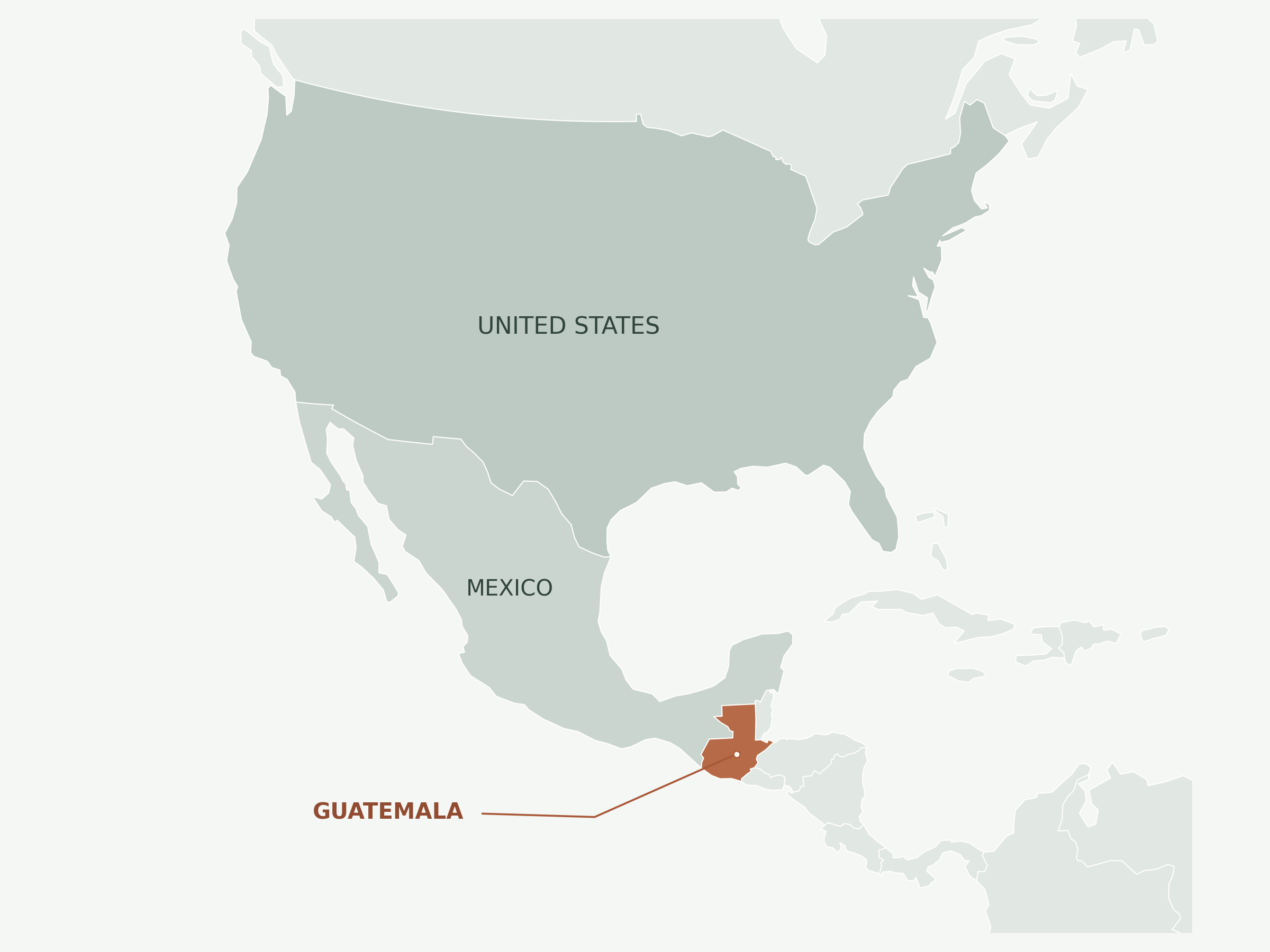
Almost exactly the size of Tennessee, Guatemala touches both the Pacific Ocean and the Caribbean Sea. Within that relatively small area, its landscapes range from black sand beaches and coastal mangroves to tropical rainforests, cloud forests, and volcanic highlands—a remarkable diversity of habitats in a country about the size of home.
Volcanoes are a defining part of Guatemala’s landscape. Their commonly cited 37 volcanoes form part of the Pacific Ring of Fire, where moving tectonic plates have shaped the landscape. Three, Fuego, Santiaguito, and Pacaya, are especially active, with Fuego and Santiaguito frequently sending ash into the sky. Others have been quiet for generations. Guatemala is also home to Tajumulco, the highest peak in Central America.
Climate
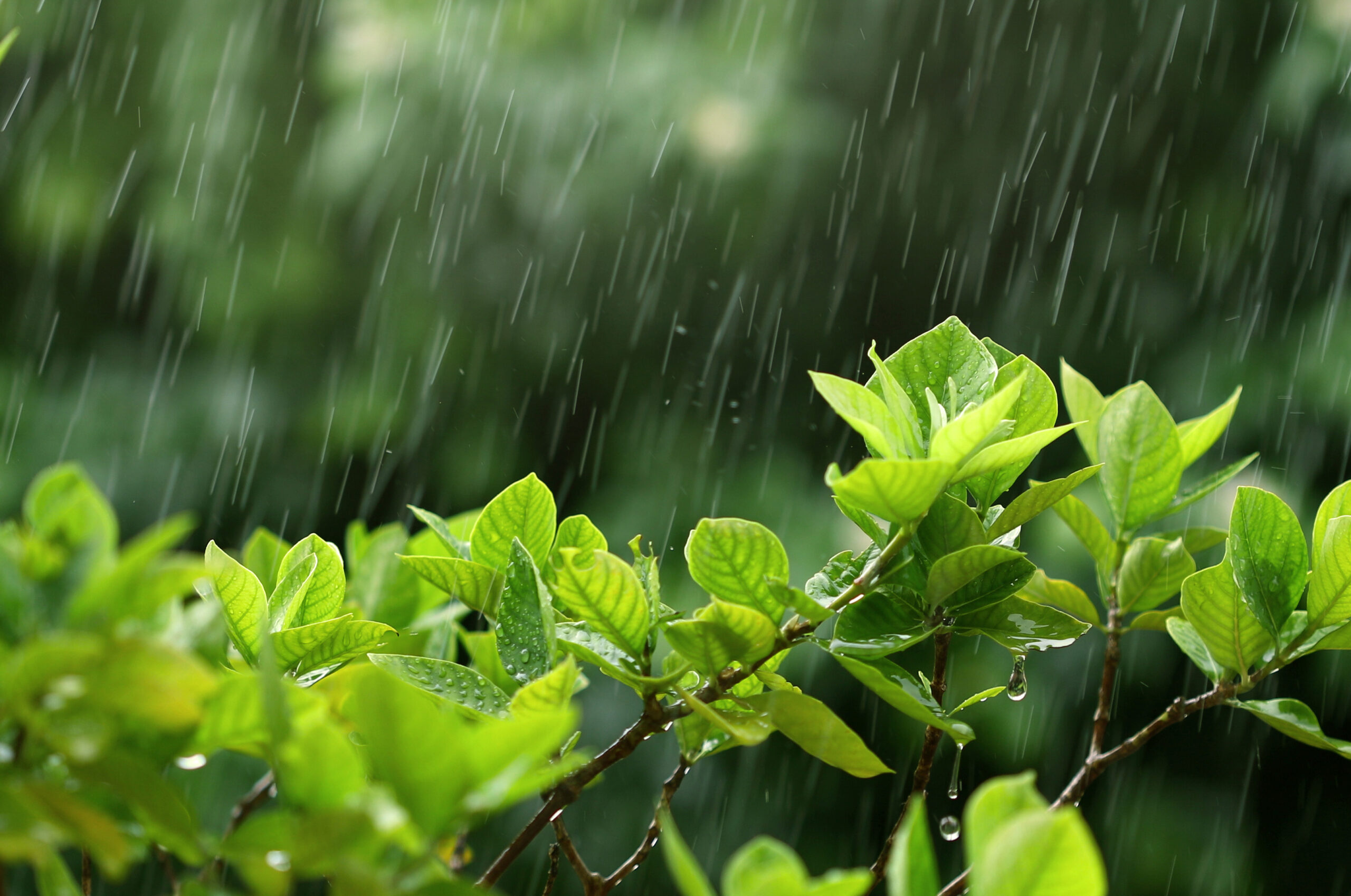
Across much of Guatemala, the year follows a rainy season, generally May through October, and a dry season, roughly November through April. Temperature depends heavily on elevation: the coast can be hot while the highlands are much cooler. Around Lake Atitlán, we’ll be preparing for warm days, cooler mornings and evenings, and the changing rhythms that rain brings to everyday life.
Language
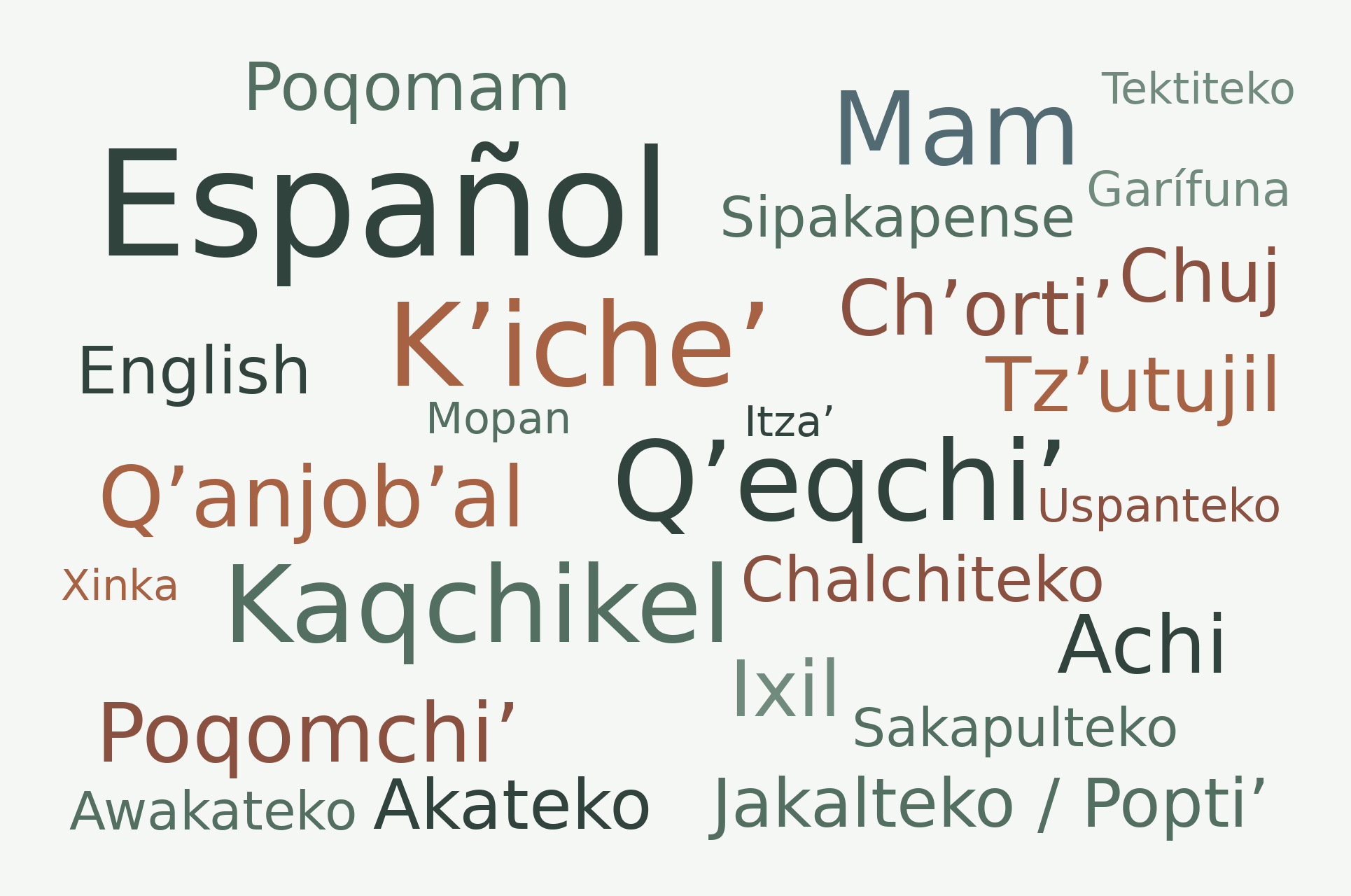
Spanish is Guatemala’s official language, but the country also recognizes 22 Maya languages, along with Xinka and Garífuna. “Maya” describes many distinct communities and languages, rather than one shared language. Around Lake Atitlán, neighboring towns can have different linguistic identities. Getting to know the region means learning to recognize that diversity, and remembering that Spanish may be someone’s second language.
Greenery
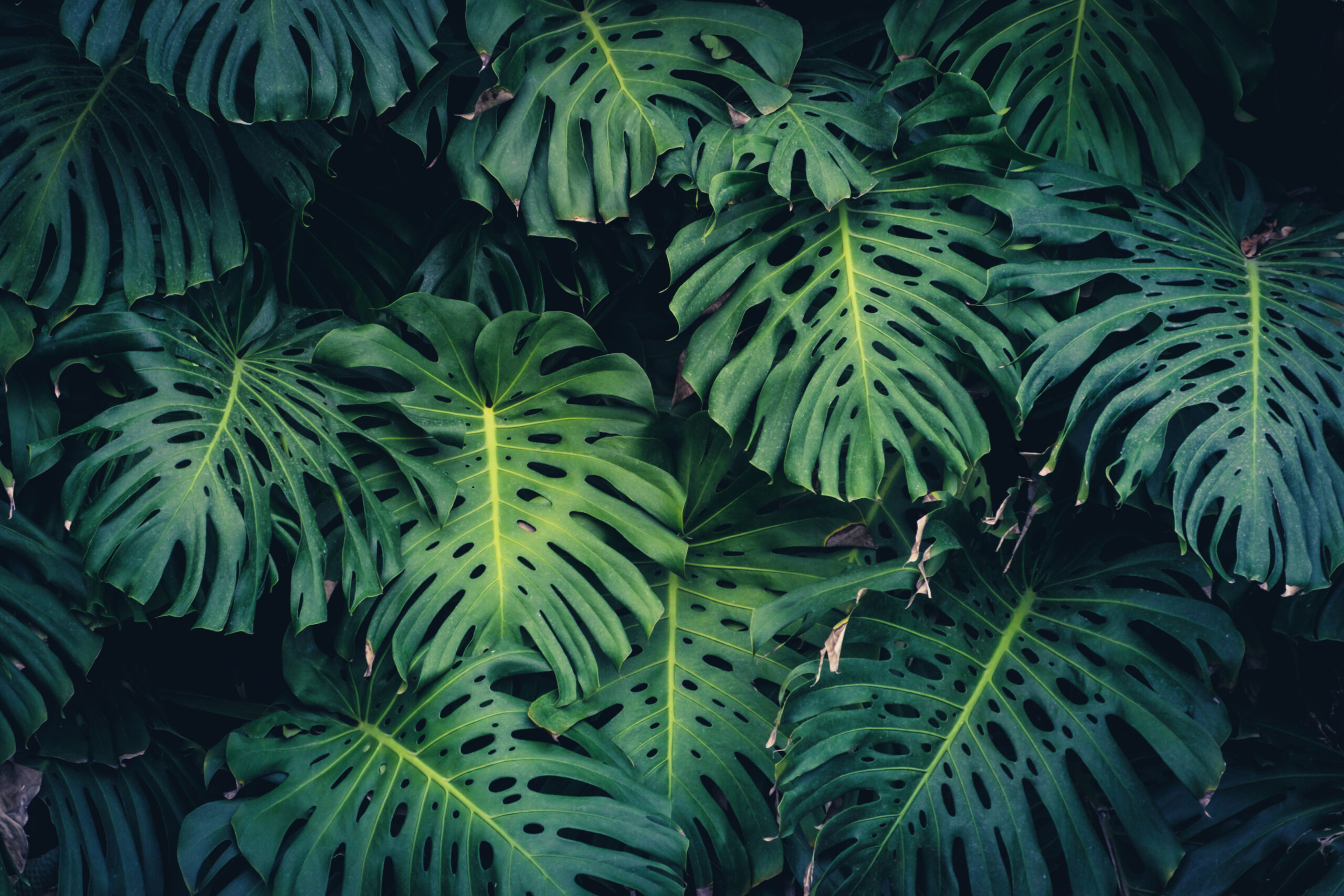
Some plants we carefully tend in pots at home belong to Guatemala’s outdoor landscape. Monstera deliciosa, the familiar houseplant with large, split leaves, is native to Guatemala and southern Mexico. In suitable conditions, these climbing plants grow up trees rather than living on a shelf. It’s a fun shift in perspective: a favorite houseplant seen as part of a much larger living landscape.
Also Green
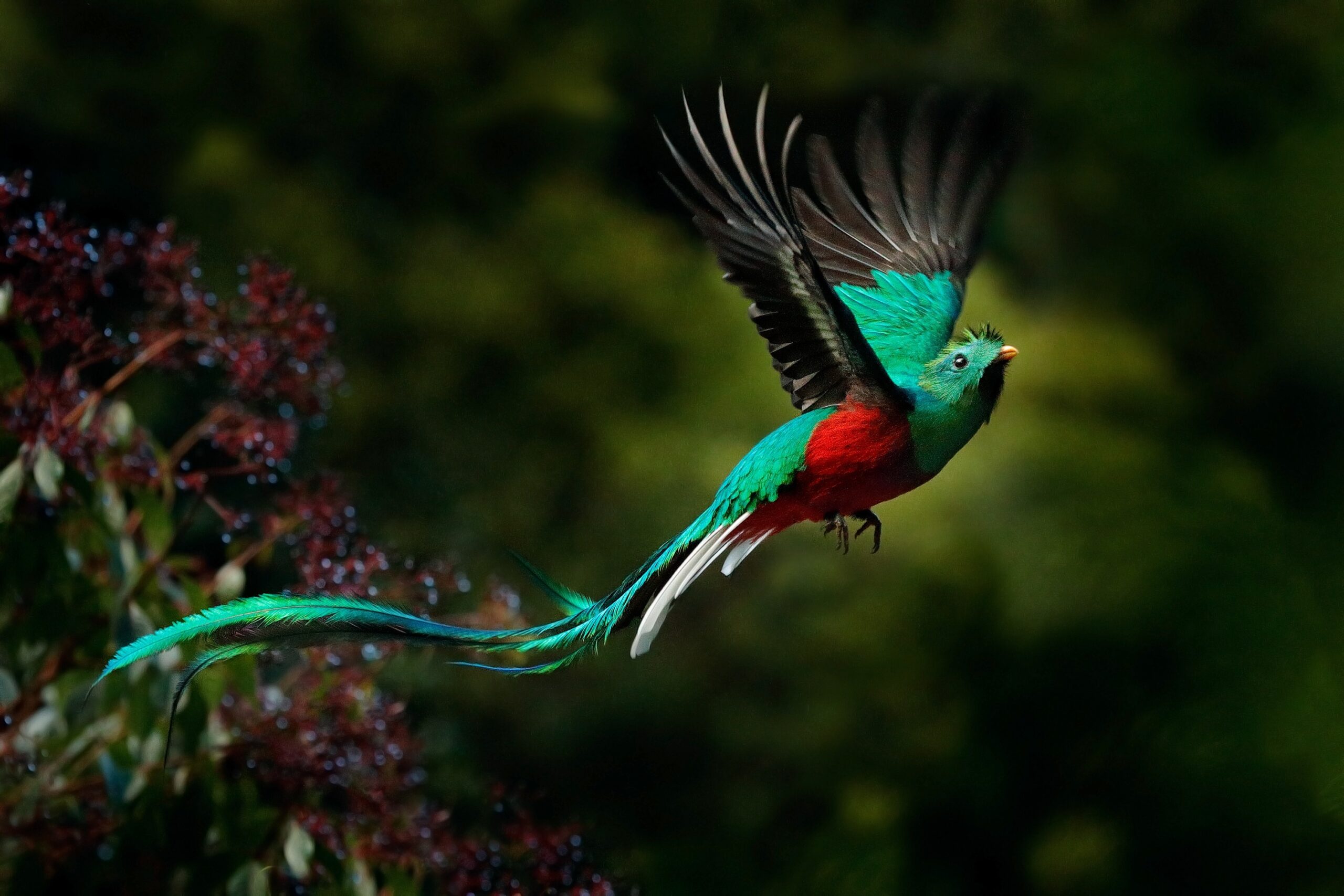
With shimmering green plumage, a bright red breast, and flowing feathers that can trail three feet behind the male, the resplendent quetzal lives up to its name. It’s Guatemala’s national bird and a symbol of freedom, appearing on the country’s flag. Even the currency is named after it, so in Guatemala, you pay in quetzales.
Culture
Guatemala’s cultural life brings together the histories and experiences of Maya, Xinka, Garífuna, and Ladino communities. Within those communities are distinct identities, with foods, clothing, customs, and celebrations that can vary from one town to the next..
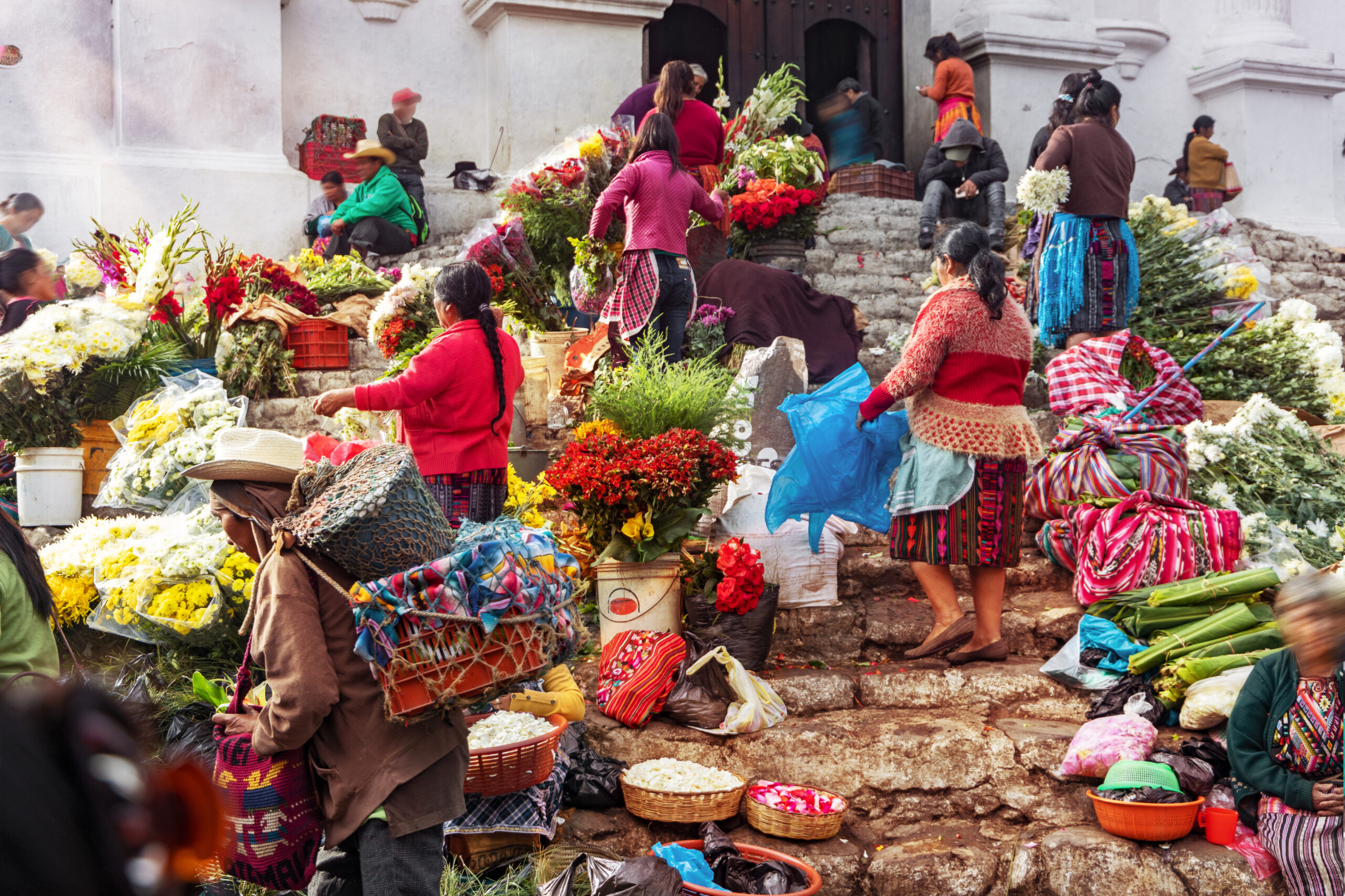
Culture takes shape in everyday places: markets where people buy food and catch up with neighbors, kitchens where recipes pass between generations, and workshops where skilled makers earn their living. Community celebrations bring faith, music, food, and art into shared spaces, often through preparations that involve whole families.
These traditions continue to evolve as people carry knowledge forward, adapt it, and create something new. Contemporary artists, teachers, musicians, and entrepreneurs are shaping Guatemala’s present alongside its longstanding practices.
Wearable Art
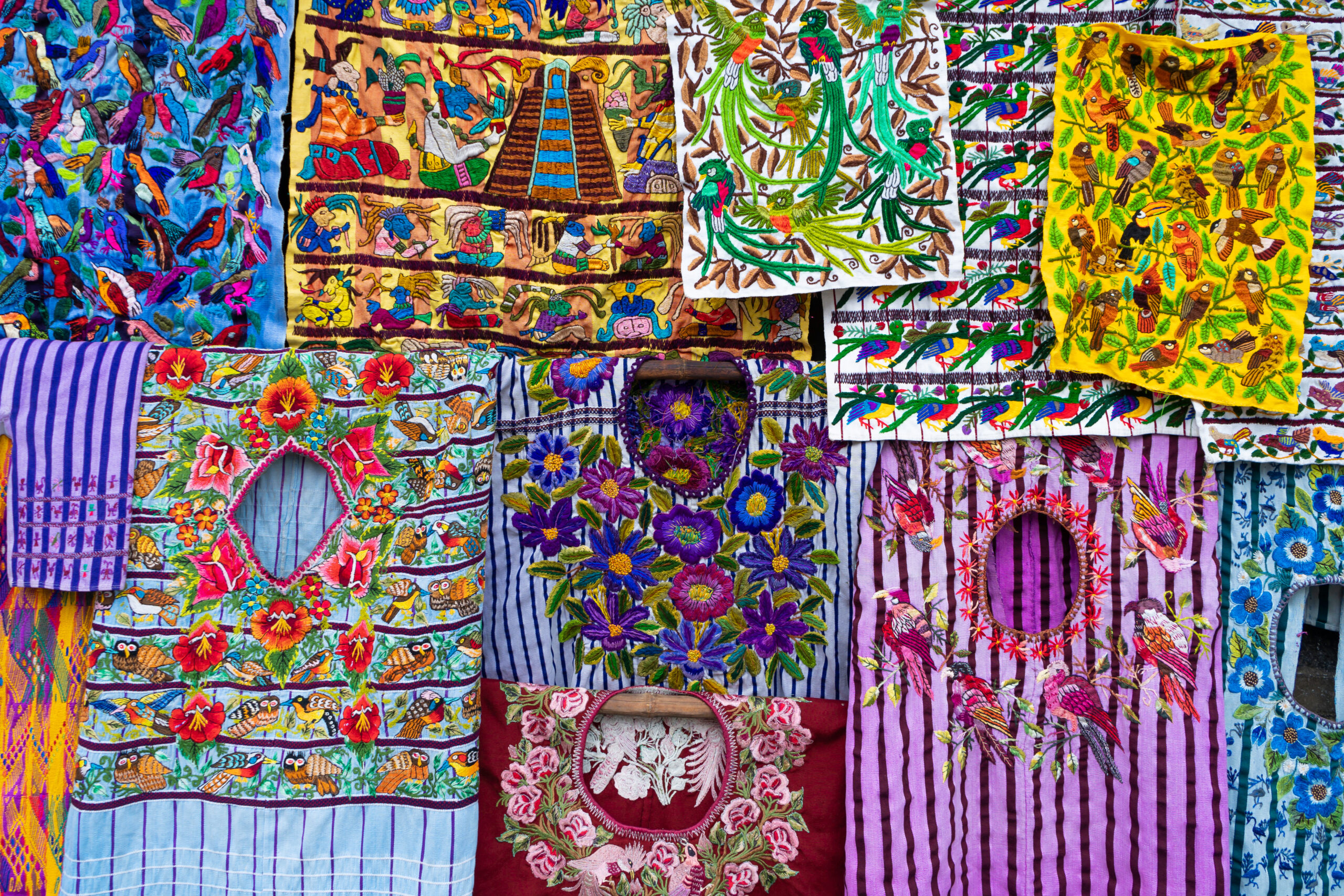
A huipil (wee-PEEL) is a traditional blouse worn by many Maya women. Its colors, patterns, and techniques can express community identity and the maker’s creativity. Many are woven on a backstrap loom, with one end anchored to a post or tree and the other secured around the weaver’s body. These textiles bring generations of knowledge and skilled artistry into everyday dress.
Sky Art
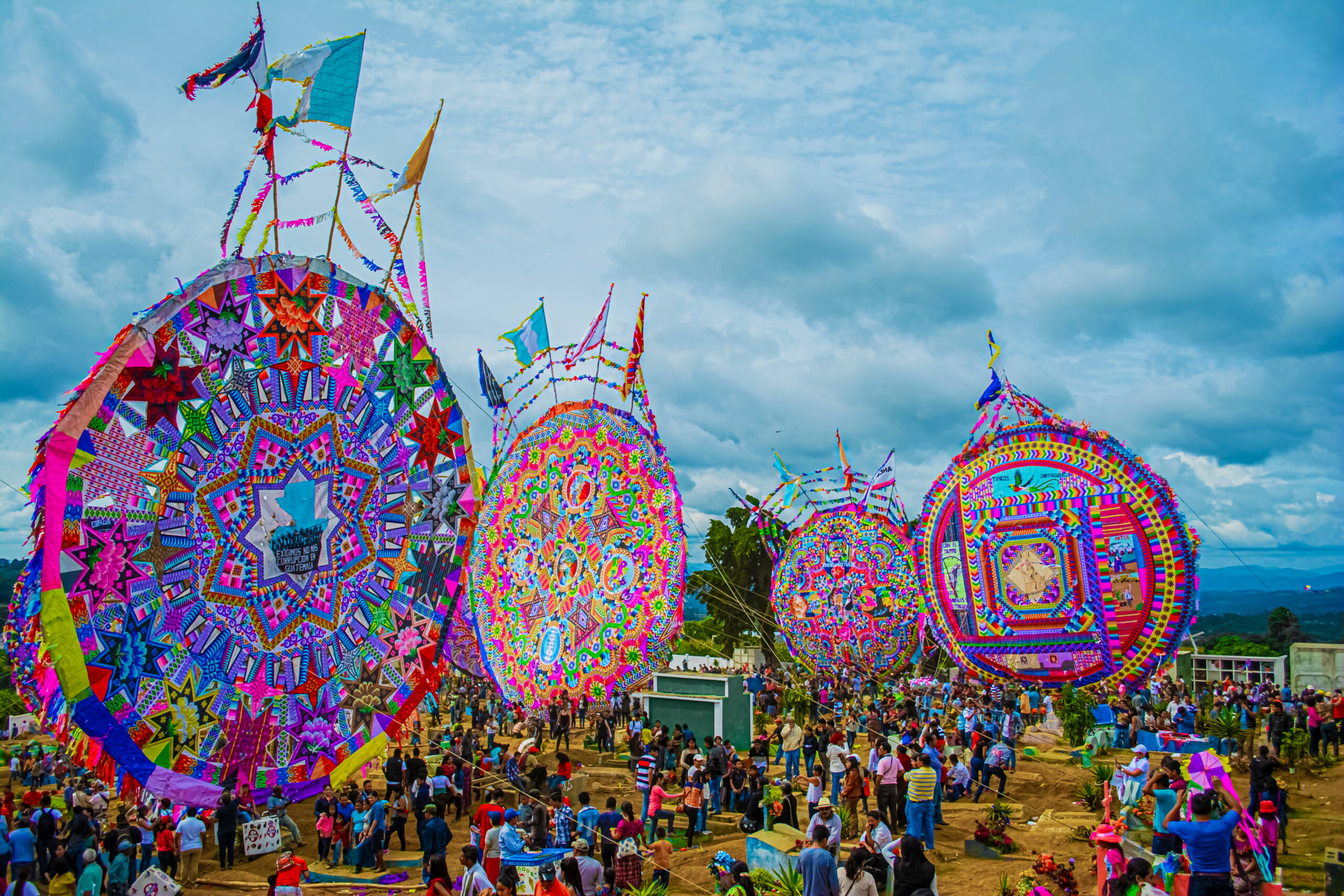
In Sumpango and Santiago Sacatepéquez, communities create enormous barriletes, or kites, for November’s celebrations honoring the dead. Made from colorful tissue paper and bamboo, their designs carry messages of remembrance, identity, and social concern. Months of shared work lead to public displays and flights. In 2024, UNESCO recognized the communities’ kite-making techniques as part of humanity’s intangible cultural heritage.
Street Art
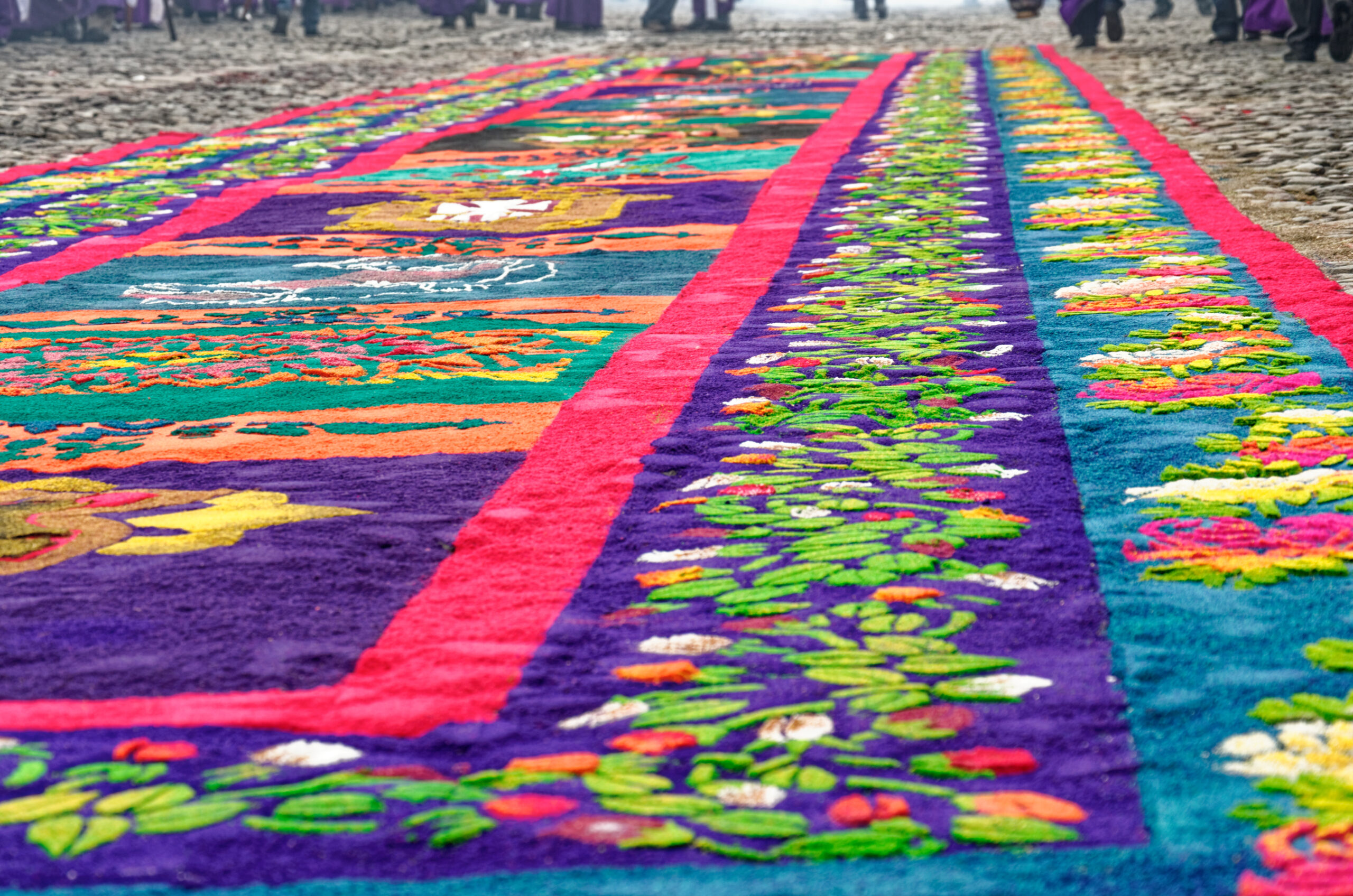
During Holy Week, families and neighbors transform streets into intricate alfombras—carpets made from colored sawdust, flowers, fruit, and other materials. Working together, they arrange patterns and images along procession routes, often spending hours on a single design. The artwork lasts only until the procession passes over it. Its temporary beauty is part of a shared expression of faith, devotion, and community.
Cacao
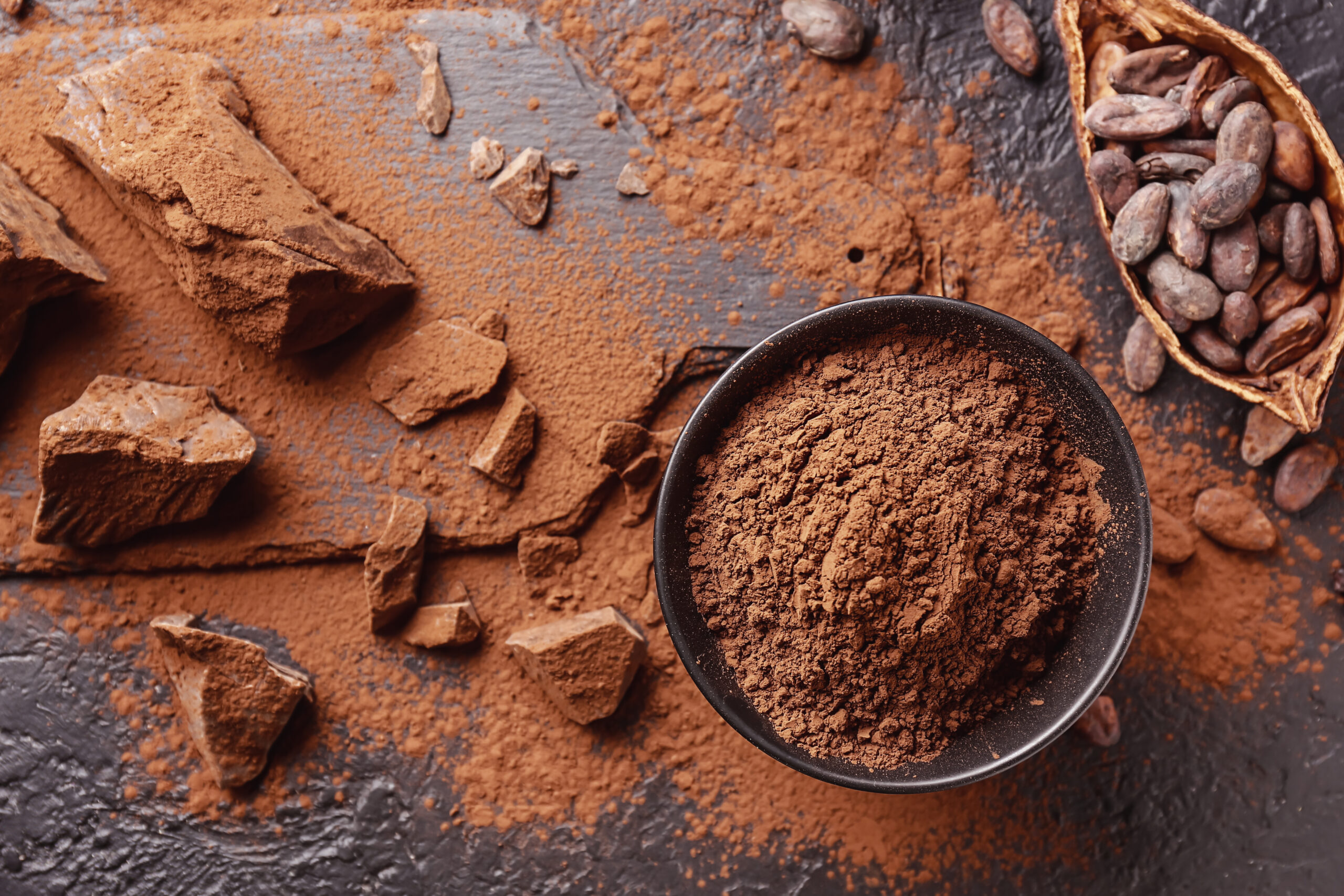
Long before chocolate bars, Maya peoples cultivated cacao and used it in drinks, ceremonies, and trade. Guatemala is part of cacao’s ancestral cultural homeland, and today its growers and chocolate makers carry that connection forward from the cacao pod to the finished chocolate.
Coffee
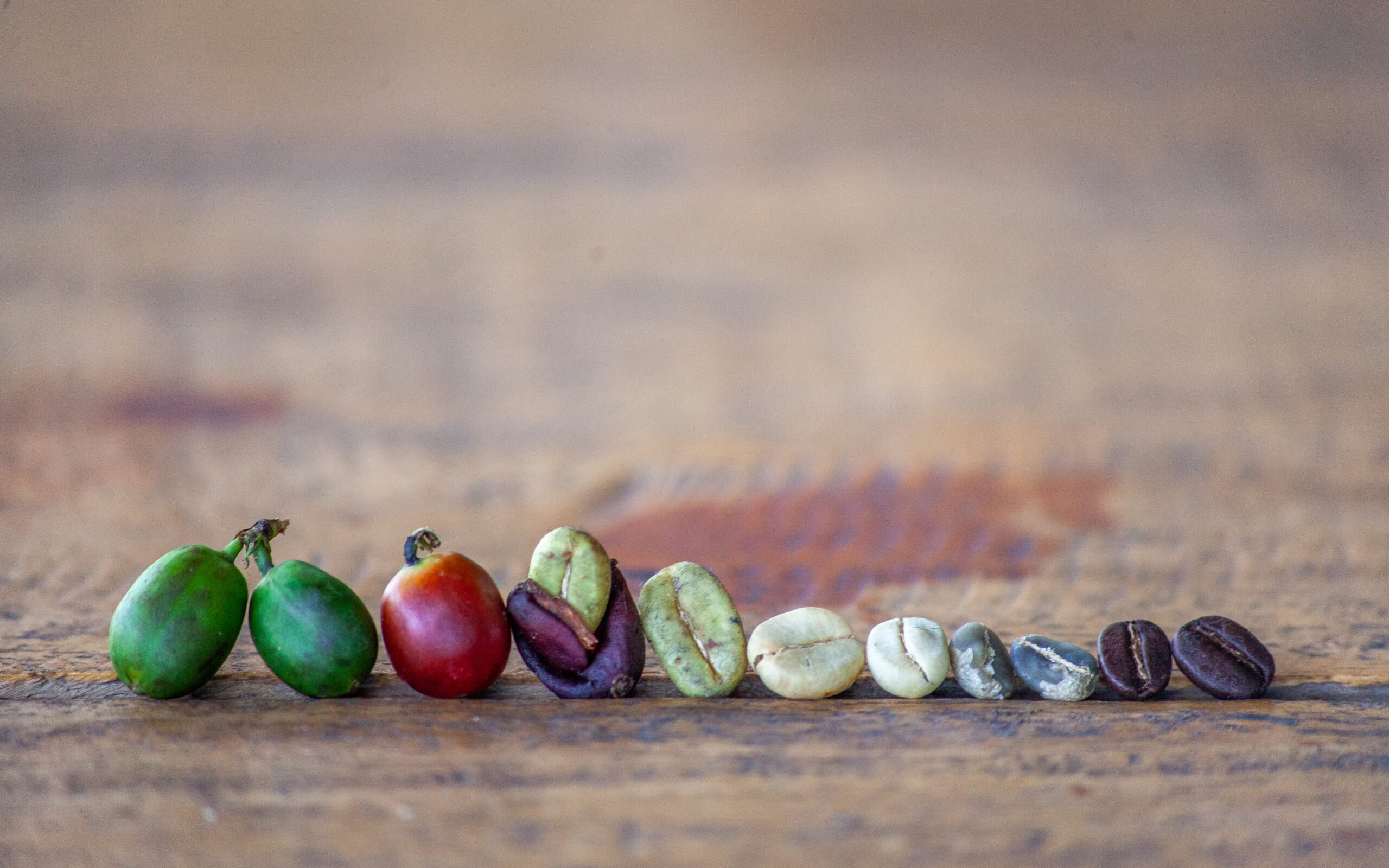
Guatemala’s volcanic soils, elevations, and varied climates help its coffee-growing regions produce distinctive flavors. Coffee arrived much later than cacao, but it has become one of the country’s best-known crops. Opal House grows coffee, too—and with Tim’s enthusiasm and expertise, we expect it will find its way into plenty of our stories.
Avocado
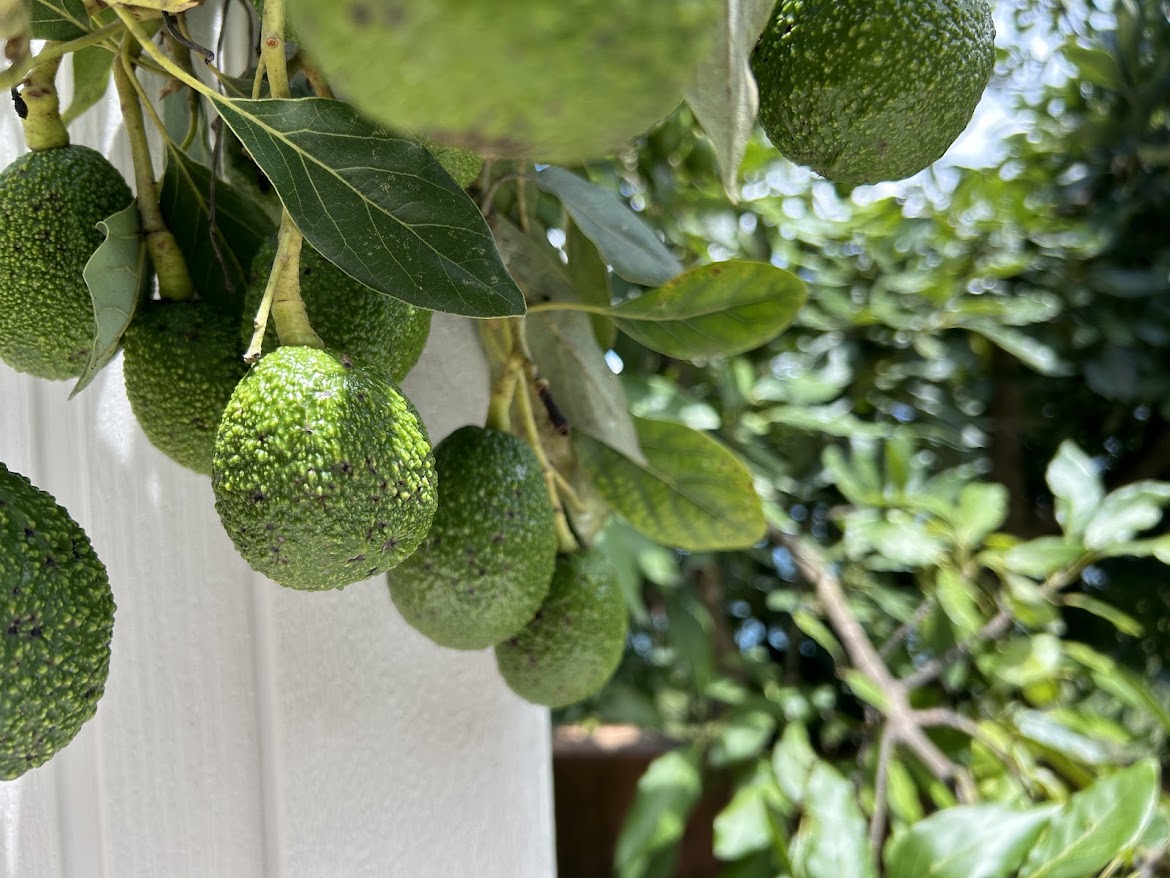
Guatemala is part of the avocado’s native homeland, and the familiar Hass avocado has both Mexican and Guatemalan ancestry. At Opal House, the farm grows both avocados and coffee, so two things you might enjoy will be growing close to our home.a reminder that getting to know a country can begin around a table.
You Can Help Make this Year Possible
Spending most of a year at Opal House means covering the everyday costs of living there—rent, food, utilities, and transportation—along with some ongoing expenses at home.
Your support will help make it possible for us to be there and give our time to the school, visiting teams, and life on the farm.
We’re developing our budget and will share a funding goal as the details come together. In the meantime, you can help through a financial gift or by shopping our available goods and fundraisers.
Thank you for considering being part of this year with us.